
Tips for Rett Kids at School
Starting school can be a nerve-racking time for parents of any child, but especially for parents of children with Rett Syndrome. IEP (Individualized Education Plan) meetings, parent-teacher relationships, and wondering how other students will treat their child can all be anxiety-inducing for parents getting ready to send their Rett child to school. Below, Rett moms Heidi, Tania, and Amy share their tips and tricks to help their Rett daughters thrive in school settings.
Presume Competence:
Heidi’s daughter, Ellie, has Rett Syndrome and is a junior in high school as this blog is written. Heidi has spent a lot of time in IEP meetings and has found that her biggest takeaway is that school professionals, students, and teachers should all presume competence. Heidi shared that she has “sat in many IEP meetings where she is expected to say that her daughter isn’t capable of doing certain things, simply because she is non-speaking.”
Many times, Heidi has seen educators assume that her daughter does not know something because she can’t “prove” it. Presuming competence would be assuming that Ellie does know and treating her like the smart individual she is. It is not her fault that other people don’t know the ways to teach her or work with her. As a parent, Heidi feels that it is her job to show teachers and specialists HOW to teach, listen, wait and succeed.
Parents know their children better than anyone, and as a Rett parent, Heidi is often her child’s voice. She knows what Ellie is capable of, and feels that it is her responsibility to step up and make sure that her child is being taught and respected at school.
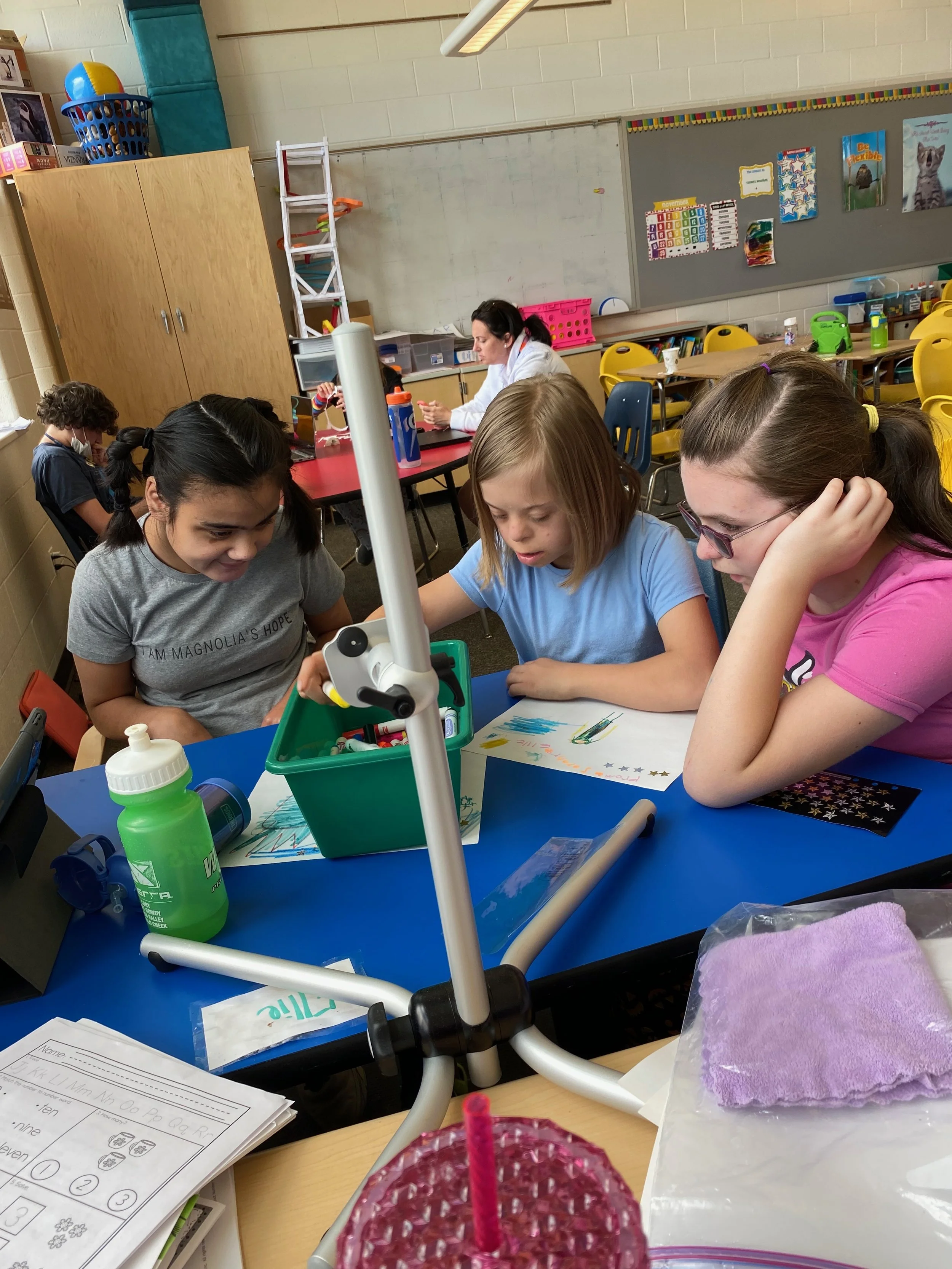
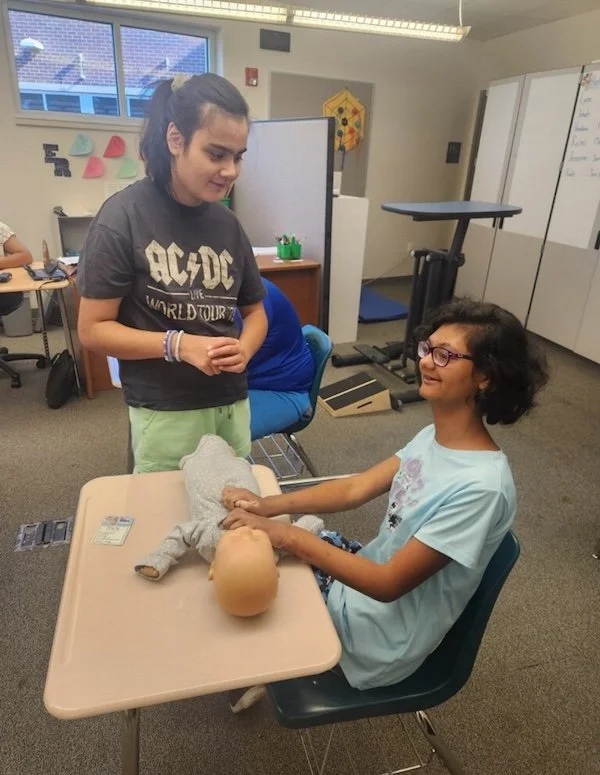
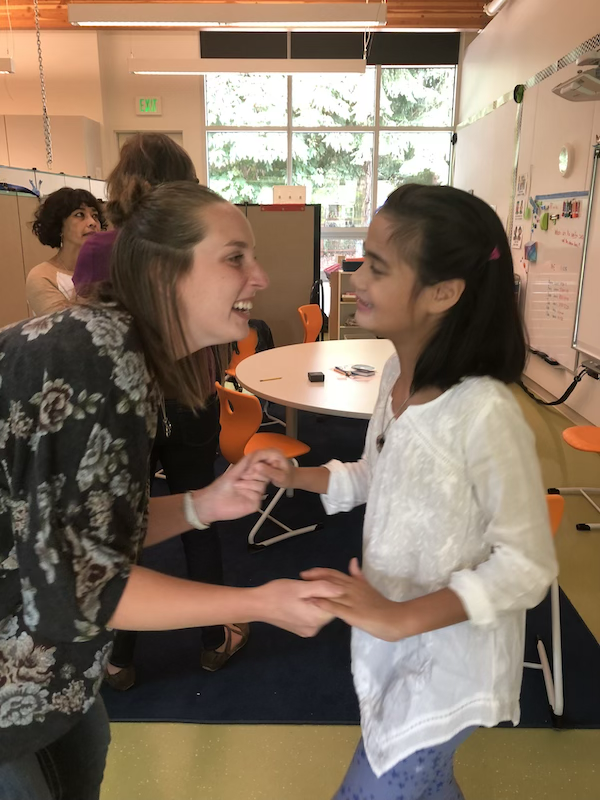

After some difficult experiences, Ellie now has teachers, therapists, and paras who work hard to understand her language, learn about her communication device, and have conversations with her.
Tatum, Tania’s daughter, faced one challenge in middle school when her teacher didn’t want her to be in any mainstream classes. Tatum loves socializing with her typical peers, so her family struggled with her teacher’s decision, but once Tatum got to high school, there were tons of opportunities for her to socialize with her typical peers.
Just because someone is non-speaking, has Apraxia, or has hands that don’t work does not mean that they are not smart. It does not mean that they are not capable of learning, or that they don’t understand. In fact, it is the exact opposite. Tania shared that “children with Rett are capable of learning and understanding, they just have a different way of showing it. So, presume competence always!”
Appearance and Hygiene:
Amy, Rett mom to Maddy, lives in Colorado Springs. Amy shared that appearance and hygiene can be a challenge, but that it is important to keep up with teeth, drooling, and dry clothes. Having extra supplies at school is also important, like clothes, diapers, meds, tube feeding, or wipes.
Amy found cute bandanas to match her daughter’s outfits, and often sends small towels to school with her daughter to help keep her hands and face clean throughout the day. Amy tries to help her child look good and feel good by giving her cute hairstyles or picking out clothes that a typical classmate would wear.

Communication:
Communication is greatly important – with teachers, paras, therapists, and school administrative staff. If you don’t speak up, they will never know your feelings or concerns!
Communication throughout the day can be helpful, too. Many schools use apps where they can log photos or updates about a child, but receiving updates through text or email is an option as well. School staff can share updates about your child’s day, likes or dislikes, food and water, and more. Parents can also share updates before the school day to help staff anticipate what your child may need that day.

In 5th grade, Amy started bringing her daughter along to IEP meetings, so she could have a part in creating her education plan.
Amy shared that she also encourages school staff not to let fellow classmates refer to her daughter as a “baby.” When classmates say things like this, teachers or parents can offer kind corrections like “she is not in a baby stroller, this is a cool wheelchair,” or “she is not a baby, she is 6 years old like you.”
Amy also programs cute jokes and popular words/phrases on her daughter's communication device, so she is able to communicate with her peers!
If your child is unable to write their own name, buying or making them a personal name stamp is a great idea. Amy has purchased a few name stamps for her daughter, with different variations of her name on them (first and last, just first, or nickname). This way, she can sign her name on yearbooks, gifts, or cards to her fellow classmates.
Supporting Your Child Through Transitions:
The transition from home to school can be a big deal, as well as the transition from 5th to 6th grade or 8th to 9th grade. As you support your child throughout these transitions, take tours of the new school, visit classes, and ask lots of questions.
Extracurriculars:
Amy shared that her daughter loves dance, pottery, gym, and theater! Although she is nonverbal and in a wheelchair, there are ways to adapt activities with communication and imagination.
Tania’s daughter, Tatum, also loved participating in extracurricular activities throughout high school! She did drama, Food and Consumer Science (FACS), Gym, Bowling, Basketball, Homecoming, Sports, and Prom. Tatum always attended schools where she had typical peers with whom she could enjoy socializing. Tania shared that high school was the highlight of Tatum’s school career due to all of the fun unified activities that they put on. She is doing well in her transition program, but it is not the same as her experience in high school.


Although starting school can be scary for children and parents, there are many resources available, and many people who truly care about your child! As always, it is important to communicate, educate, and presume competence!
Rett parents are always welcome to reach out to the Rocky Mountain Rett Association at info@rmrett.org. We would be happy to put you in touch with other Rett families to find information and receive support on how to navigate school as a parent to a child with complex needs.