
Rett in Males: A Research Study

Rett Syndrome (RTT) is a rare disease, affecting primarily girls because of its connection to the X chromosome. Rett Syndrome is caused by a mutation in the MECP2 gene on the X chromosome. While Rett Syndrome can also occur in males, it is even more rare. Because of this, Rett Syndrome in males is often overlooked or misdiagnosed.
In Medical Biases and Misconceptions Impact Diagnoses in Males With Loss of Function MECP2 Variants published in the American Journal of Medical Genetics, Thompson et al. (2025) found that Rett Syndrome does affect males, but lasting biases contribute to late diagnoses or misdiagnoses in males with Rett Syndrome. Historically, it was believed that Rett Syndrome could not affect males because of its connection to the X chromosome. This study proved otherwise and examined in depth the ways that Rett Syndrome can affect males.
The study involved direct input from families and caretakers of males with Rett Syndrome. Many families shared that concerns for developmental delay were present in their children early on, as well as some significant medical issues.
Before being diagnosed with Rett Syndrome, many of the children in the study were diagnosed with Autism Spectrum Disorder, cerebral palsy, epilepsy, hypotonia or hypertonia, and intellectual disability/global developmental delay. Misdiagnoses and the struggle to find answers led many families and caretakers to feel frustrated. According to the study, the majority of participants described a long, arduous journey to an accurate diagnosis of male RTT. Many parents also experienced a medical community that had little or no understanding of Rett Syndrome in males, which led to further harmful misinformation and misdiagnoses.
An accurate diagnosis is crucial for families and caregivers to be able to receive the resources and care that they need for their child. Families in the study shared that, after receiving the proper diagnosis, they were able to move forward with a clearer caregiving plan.
The study concluded that it is essential to diagnose Rett Syndrome in males as early as possible in order to provide families with all of the resources and information they need to navigate a complicated diagnosis. Medical biases, misconceptions, and low incidences of Rett Syndrome in males can all contribute to delayed diagnoses. It is so important for providers to be educated about Rett Syndrome and males. Male children with seizures and skill regression may have Rett Syndrome and should absolutely receive genetic testing.
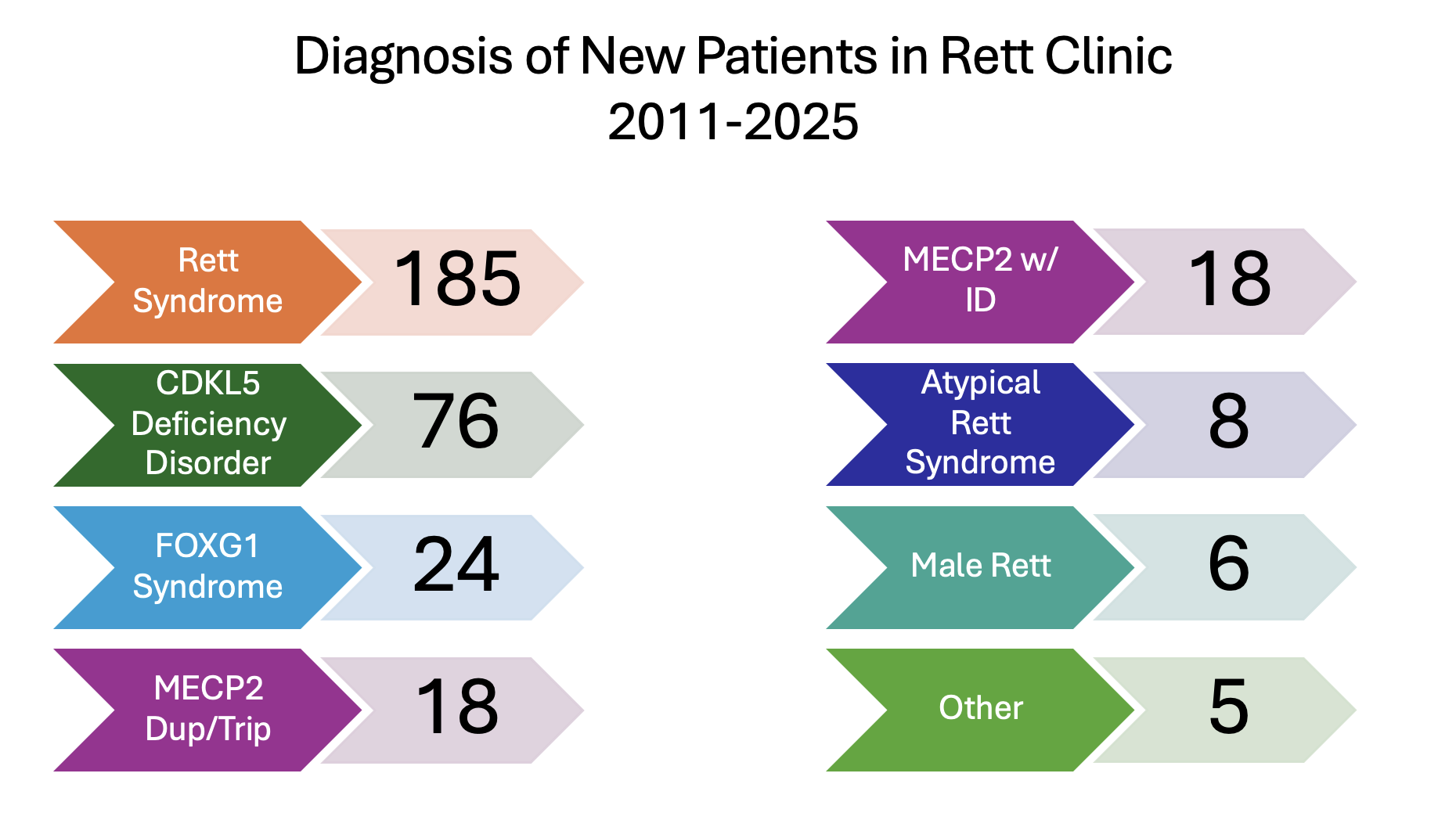
From 2011 to 2025, 339 patients visited the Rett Clinic at Children’s Hospital Colorado. Out of those 339 patients, only 6 were males with Rett Syndrome. In females, Rett Syndrome typically affects 1 female per 10,000 births. While Rett Syndrome in females is rare, Rett Syndrome in males is even rarer.
Because Rett Syndrome in males is so rare, it often does not receive the attention it deserves, and Rett diagnoses in males are often delayed. While the Rett community is working towards understanding Rett Syndrome in males, it is important for both families and providers to practice empathy and work towards finding alternatives that work for all.
To read the full research paper, visit Pubmed.